


Grief does not keep to a schedule, and the best Christian fiction about loss doesn’t pretend it does. Many grieving readers want a story that admits how hard it is to pray when God feels silent, without leaving them there.
That is the space Faith Marlowe’s new novel, The Second Shore, was written for.
The story
Nell Calloway has been away from Amity Harbor for nine years. When her grandmother Ruth dies, Nell returns only to clear out the house and settle the estate. She plans a short visit, and her own marriage is under strain.
Then she finds a wooden box holding more than sixty years of Ruth’s letters to God. They are not tidy devotional notes. Some ask the questions faithful people are often afraid to say out loud: Where were you? Why did this happen?
Why it resonates with grieving readers
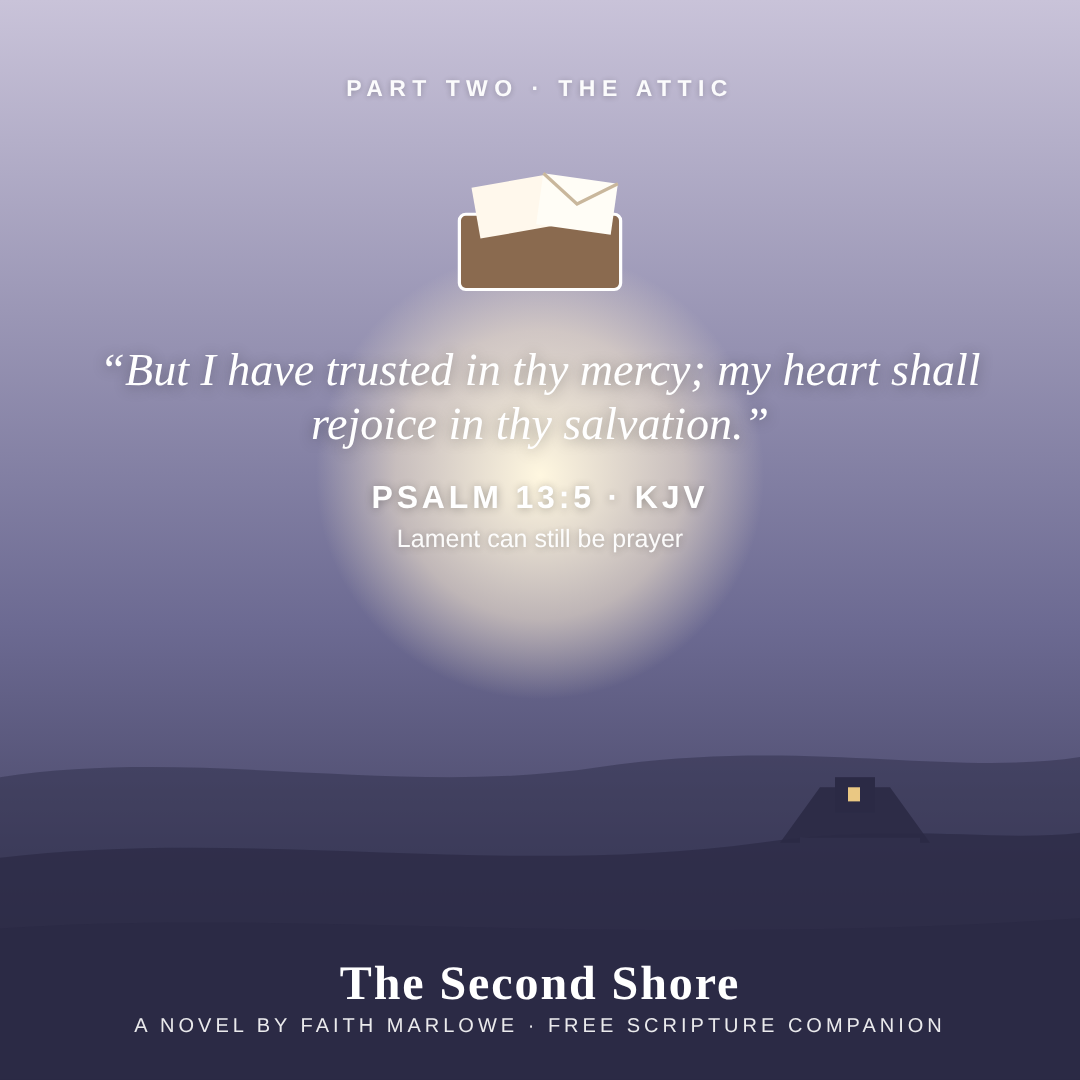
- It treats lament as prayer. Part Two closes with Psalm 13, a psalm that begins “How long wilt thou forget me, O LORD?” The novel shows that bringing honest questions to God is itself an act of faith.
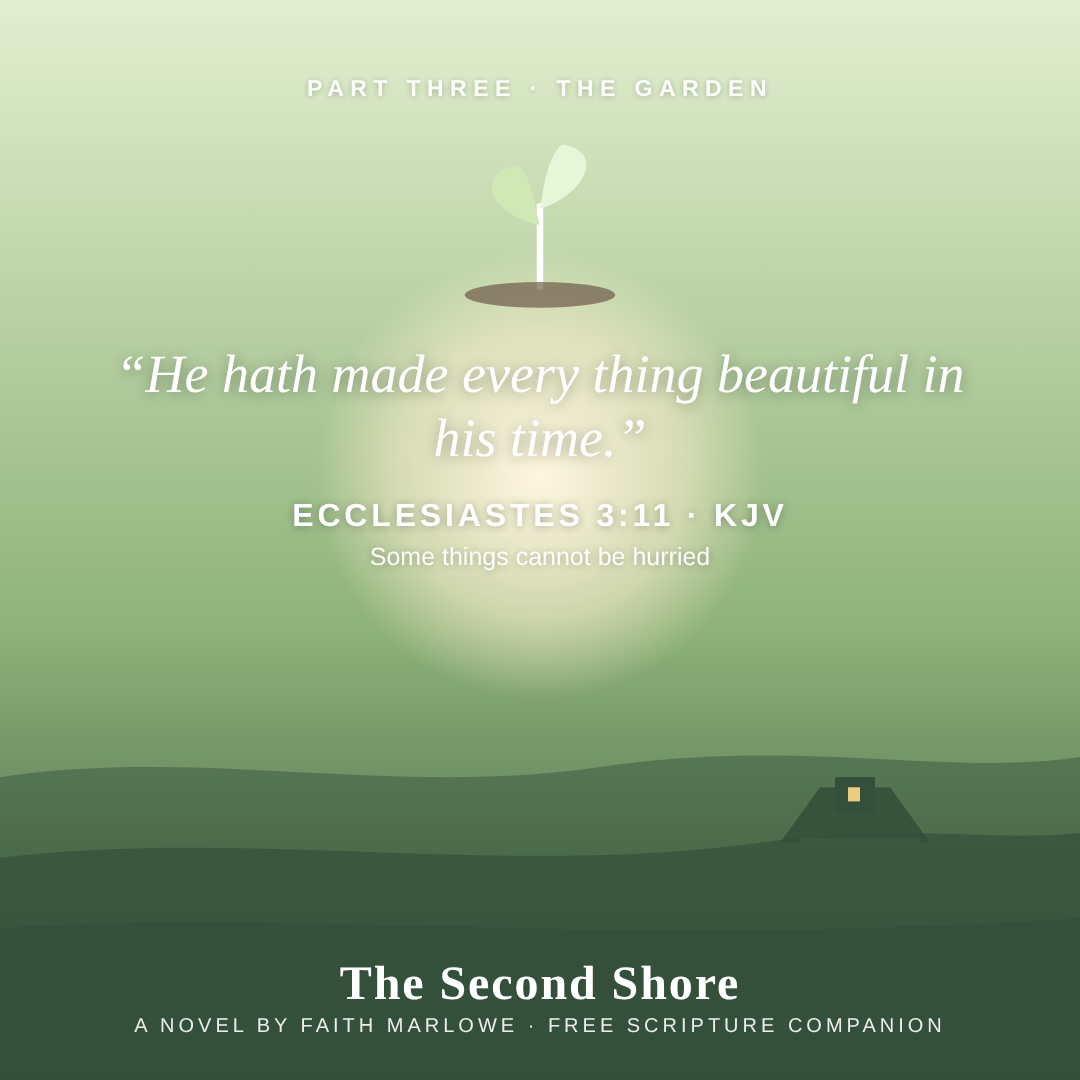
- It refuses to hurry healing. Part Three draws on Ecclesiastes 3: “To every thing there is a season.” Some things cannot be rushed, and the story respects that.
- Its hope is real but not cheap. The ending offers a true next step rather than a fairy-tale fix. Grief and damaged relationships are not erased, yet restoration still comes.
Who it’s for
- Anyone who has lost a parent or grandparent and found unexpected things while clearing a home
- Readers who have wrestled with unanswered prayer
- Book clubs and small groups looking for a story that opens meaningful conversation (see the free Discussion Guide)